

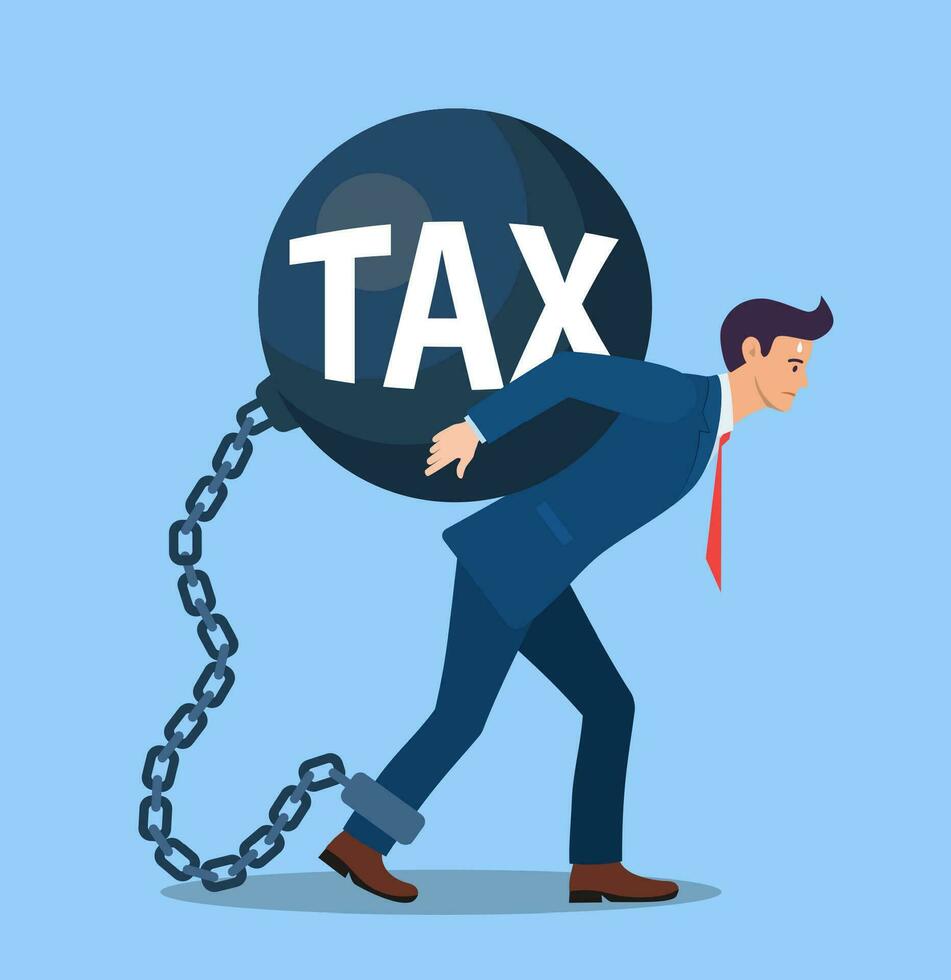
Colombo – Starting October 1, 2025, Sri Lankans will face a fresh layer of taxation as the government moves to impose Value Added Tax (VAT) on digital services provided by foreign companies, the Department of Inland Revenue announced this week. The move is part of a broader push to increase state revenue under a reform program backed by the International Monetary Fund (IMF), following the country’s historic default in 2022.
According to the Inland Revenue notice, the new VAT policy will apply to “services supplied by non-resident persons through electronic platforms to persons in Sri Lanka.” This effectively means that global digital service providers—ranging from streaming platforms and online marketplaces to cloud service vendors—will now be taxed for transactions with Sri Lankan users.
The change marks a significant expansion of the tax net as the government scrambles to rebuild public finances battered by years of monetary mismanagement. The crisis was largely triggered by aggressive interest rate cuts financed through money printing and VAT reductions, which culminated in a complete economic collapse and forced reliance on an IMF bailout.
“The procedures for registration, payment, and compliance will be specified by the Commissioner-General in due course,” the Inland Revenue said, adding that key terms such as ‘electronic platform’, ‘non-resident person’, and ‘fixed place’ have been clarified under the VAT Act.
Tax Net Widens Across Sectors
Beyond the new digital service tax, the reforms are sweeping across multiple sectors. All individuals or entities involved in commercial import or export will now be required to register under the VAT Act, regardless of their turnover or any existing exemptions. This marks a sharp shift from previous thresholds that offered small traders some breathing room.
While the government is attempting to soften the blow with targeted zero-rated or exempted goods and services, critics argue that the new tax regime continues to squeeze the average citizen. For example, VAT exemptions will now apply to:
- Supply of Naptha by the state-run Ceylon Petroleum Corporation to the Ceylon Electricity Board.
- Meals and transport provided by employers to employees under specified conditions.
- Reinsurance commissions and foreign currency compensation to local insurers.
- Unused government or provincial council stamps.
- Liquid milk and yoghurt—provided they are made with at least 50% locally sourced fresh milk.
However, this last exemption is seen by many as largely symbolic. Sri Lanka has some of the world’s highest import duties on dairy products, effectively turning basic nutritional staples like powdered milk and cheese into luxury goods.
IMF Strings Attached
Sri Lanka’s compliance with IMF-imposed conditions is seen as essential to maintain the ongoing flow of bailout funds. But the social cost is becoming increasingly visible. The rising tax burden is landing hardest on urban consumers and small businesses, many of whom are still reeling from currency depreciation, high inflation, and reduced purchasing power.
In pushing forward with digital service taxation, Sri Lanka joins a global trend where governments are seeking to tax tech giants like Google, Netflix, Amazon, and Meta. But in a country still struggling to stabilize after economic ruin, critics say the timing could deepen inequality and limit access to essential online services.
As October looms, both consumers and digital service providers await clarity on how the tax will be implemented. One thing is certain—Sri Lankans are being asked to pay more, once again, for a crisis they did not cause.
