

The Capitalist – Business Desk
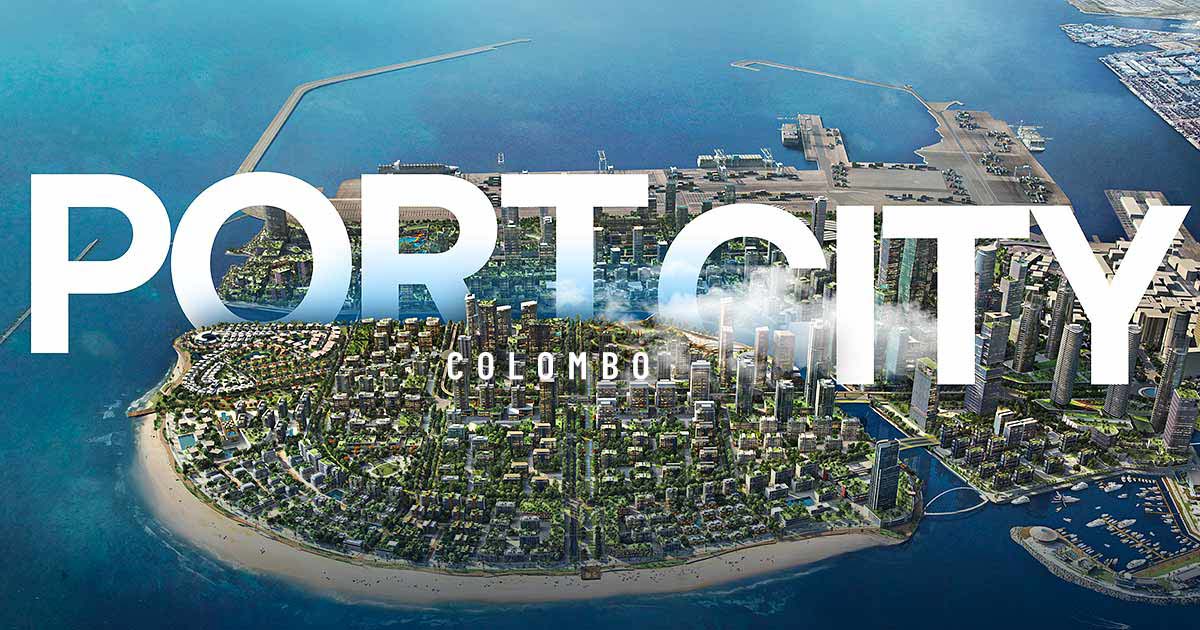
In a strategic move aimed at strengthening Sri Lanka’s appeal as a regional shopping and tourism hub, the government has approved amendments to the regulatory framework governing duty-free operations at Colombo Port City, allowing greater flexibility for international arrivals.
Cabinet Spokesman and Minister Nalinda Jayatissa announced that passengers arriving from abroad will now be permitted to purchase goods from the Port City’s duty-free shopping complex on two separate occasions within four days of arrival. This marks a notable shift from previous limitations, offering travelers increased convenience and encouraging higher retail engagement.
Importantly, the amendment does not alter the existing annual duty-free entitlement cap of US $2,000, ensuring fiscal discipline while enhancing consumer flexibility.
The revised framework falls under the Colombo Port City (Guidelines on the Grant of Exemptions or Incentives to Businesses of Strategic Importance – Duty-Free Operations) Regulations No. 1 of 2024, which operates within the legal structure of the Colombo Port City Economic Commission Act, No. 11 of 2021. These regulations are central to positioning the Port City as a competitive special economic zone capable of attracting global business and high-value tourism.
The amendment has been formally published through Extraordinary Gazette Notification No. 2475/28 dated February 13, 2026, and is set to be presented to Parliament in line with statutory requirements.
From a business perspective, this regulatory enhancement is expected to:
- Increase foot traffic and spending within Port City’s duty-free retail ecosystem
- Strengthen Sri Lanka’s competitiveness against regional duty-free destinations such as Dubai and Singapore
- Provide a boost to investor confidence in the Port City project as a commercially viable hub
By enabling repeat shopping within a short arrival window, the government is clearly signaling its intent to maximize the economic potential of inbound travelers while accelerating the commercial activation of Colombo Port City.
As Sri Lanka continues its economic recovery, policy measures such as these reflect a targeted approach—leveraging regulatory flexibility to unlock growth in tourism, retail, and foreign exchange earnings.
