

By Economic Affairs Division – TheCapitalist.lk Institute of Policy & Enterprise
Sri Lanka is preparing contingency measures to protect its economy from potential energy disruptions linked to rising geopolitical tensions in the Middle East.
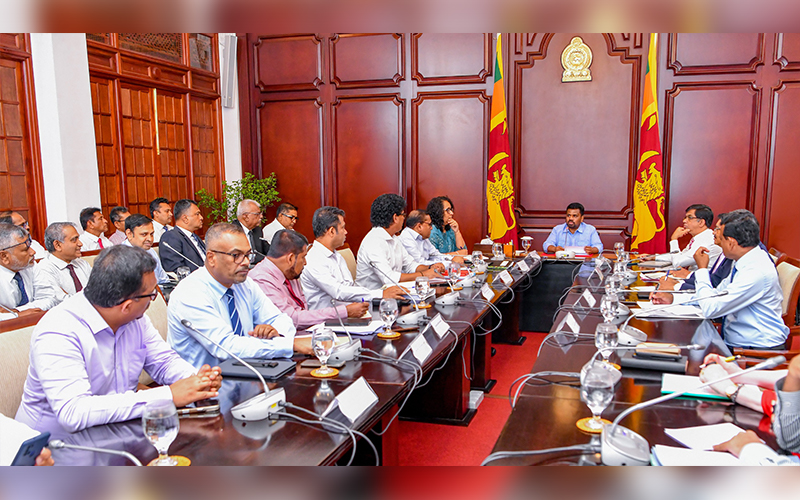
Speaking during a high-level meeting at the Presidential Secretariat on March 16, Anura Kumara Dissanayake stated that the government’s immediate priority is to ensure the uninterrupted continuation of economic activity and essential services through strategic energy management.
The discussion brought together key ministers, senior officials and economic advisors to evaluate the immediate steps required to safeguard fuel supplies and maintain critical sectors of the economy.
Managing Energy in a Volatile Global Environment
With global energy supply chains facing uncertainty due to the evolving conflict situation in the Middle East, policymakers are focusing on minimizing domestic disruption while maintaining essential services.
According to the President, the government is developing mechanisms to manage energy consumption efficiently while ensuring that key sectors—including health, education, industry and agriculture—continue to operate with minimal interruption.
A committee consisting of ministry secretaries and sector experts has been tasked with submitting an urgent report on the fuel allocations required to maintain services across the country’s most critical sectors.
Officials say the analysis will determine how available energy resources can be prioritized to protect the functioning of the broader economy.
Flexible Public Sector Operations
Among the proposals discussed was the possibility of reducing energy consumption within the public sector while ensuring the continuation of essential services.
One option under consideration includes granting a one-day holiday for public servants as a short-term measure to reduce energy usage. Authorities also discussed the feasibility of expanding work-from-home arrangements where operationally possible.
Institutional heads may be given the authority to determine whether employees should be required to report to their workplaces depending on operational needs.
Protecting Key Economic Sectors
During the meeting, special attention was given to sectors that play a critical role in Sri Lanka’s economic stability. These include agriculture, fisheries, tourism, ports and shipping, airport services, industrial operations and digital infrastructure.
Officials emphasized that sector-specific strategies may be necessary to ensure uninterrupted services while keeping energy consumption at sustainable levels.
Particular concern was expressed regarding farmers and small and medium-sized enterprises, which remain highly vulnerable to fluctuations in fuel availability and energy costs.
Expanding the Fuel QR System
The government also highlighted the importance of the fuel distribution system introduced during Sri Lanka’s economic crisis, commonly known as the QR system.
Authorities believe the system will allow for daily monitoring and analysis of fuel distribution while ensuring that supplies are allocated in a controlled and transparent manner.
The initiative is expected to involve closer coordination between government ministries and legally recognized petroleum institutions, with digital infrastructure playing a key role in monitoring fuel consumption.
Senior advisor on digital economy initiatives Hans Wijesuriya is among the officials involved in ensuring that the system operates effectively.
Coordinated Policy Response
The meeting was attended by several senior members of the government, including Prime Minister Harini Amarasuriya, along with ministers responsible for foreign affairs, trade, health, public administration, labour, industry and transport.
Also present were key economic policymakers such as P. Nandalal Weerasinghe, Governor of the Central Bank of Sri Lanka, alongside senior economic advisors.
Officials say coordination across ministries will be critical in implementing measures designed to protect economic stability during periods of global uncertainty.
A Test of Economic Resilience
Sri Lanka’s leadership appears determined to avoid a repeat of the severe fuel shortages that disrupted daily life during the country’s economic crisis in 2022.
By prioritizing energy conservation and strategic allocation of fuel supplies, the government hopes to maintain business continuity and public services even if global supply pressures intensify.
For businesses and investors, the coming weeks will be a key test of how effectively Sri Lanka can manage external shocks while maintaining economic momentum.
