

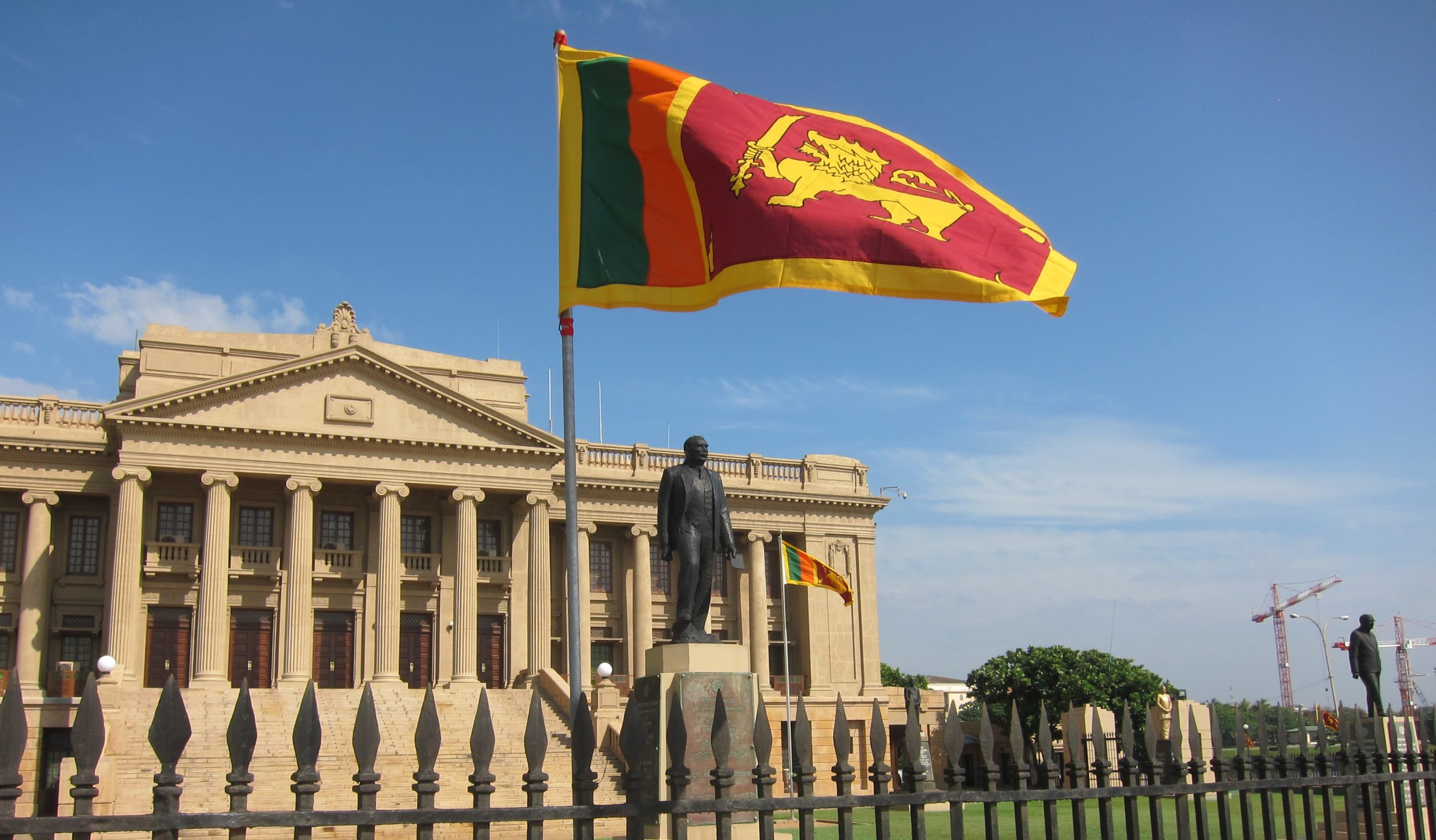
COLOMBO, Sept. 2025 – Sri Lanka has made notable progress in the 2025 Global State of Democracy Indicesreleased by the International Institute for Democracy and Electoral Assistance (International IDEA), improving its standing in three out of four key categories.
The country ranked 58 for Representation (up 15 places), 88 for Rights (up three places), and 60 for Rule of Law (up 23 places). However, its ranking for Participation slipped three places to 51.
Regional & Global Comparisons
Sri Lanka’s ranking of 58 in Representation places it ahead of several regional peers, including India (73), Maldives (89), Singapore (96), Pakistan (113), Vietnam (133), and China (151).
Globally, Germany leads the index, followed by Denmark, Norway, Costa Rica, and Chile in the top five. The United Kingdom stands at 15, while the United States ranks 35, positioned between Cape Verde and Panama.
Positive Highlights
Sri Lanka was recognised as one of only two countries in Asia and the Pacific—alongside Fiji—to show advances in freedom of the press since 2019. Similar progress was noted in Brazil, Czechia, and Poland, which moved from mid-range to high performance.
International IDEA attributed Sri Lanka’s gains to the peaceful conduct of the 2024 presidential and parliamentary elections, which brought Anura Kumara Dissanayake to power. Improvements were recorded in Predictable Enforcement and Personal Integrity and Security, though the report stressed that further advances depend on the Government’s ability to deliver on its anti-corruption and stability pledges.
Global Trends
The report observed that representation remains democracy’s strongest aspect worldwide, but also experienced its sharpest decline in over 20 years during a record 74 national elections in 2024. Rule of Law continues to be the weakest area, with notable declines in Europe, while participation levels remained broadly steady, supported by civic engagement in many regions.
Outlook
Sri Lanka’s upward movement in democratic rankings signals growing international recognition of its political stability and electoral integrity, but sustaining progress will depend heavily on the Government’s ability to strengthen institutions, safeguard rights, and maintain public trust.
